- 0-7547-7101-5
- law.walailak@gmail.com
- Mon - Fri: 8:30 - 16:30

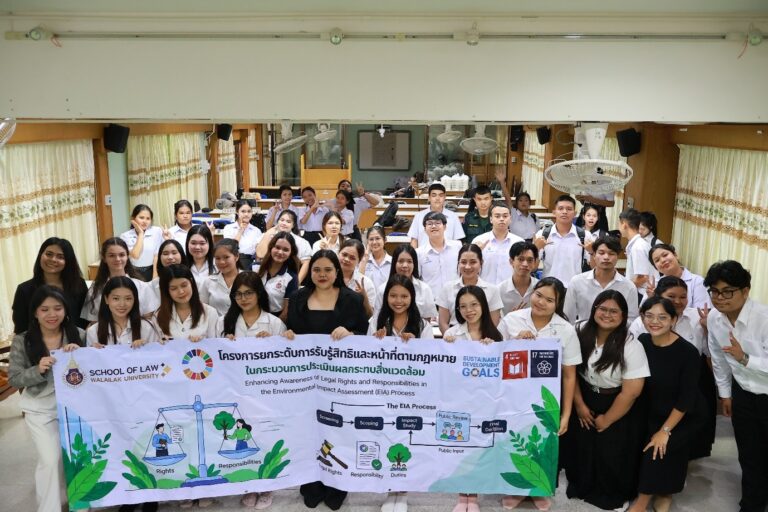
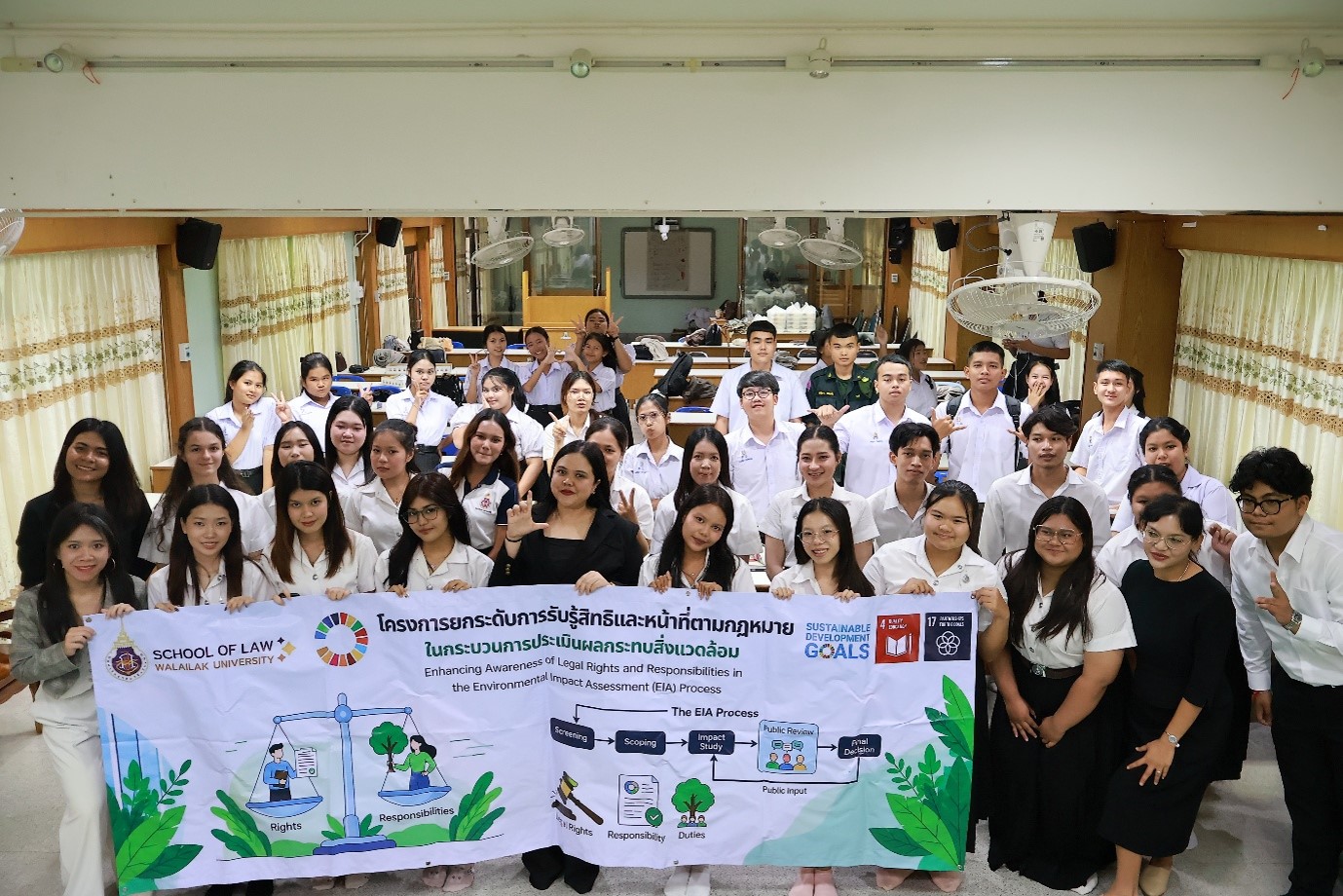
Enhancing Awareness of Legal Rights and Responsibilities in the Environmental Impact Assessment (EIA) Process
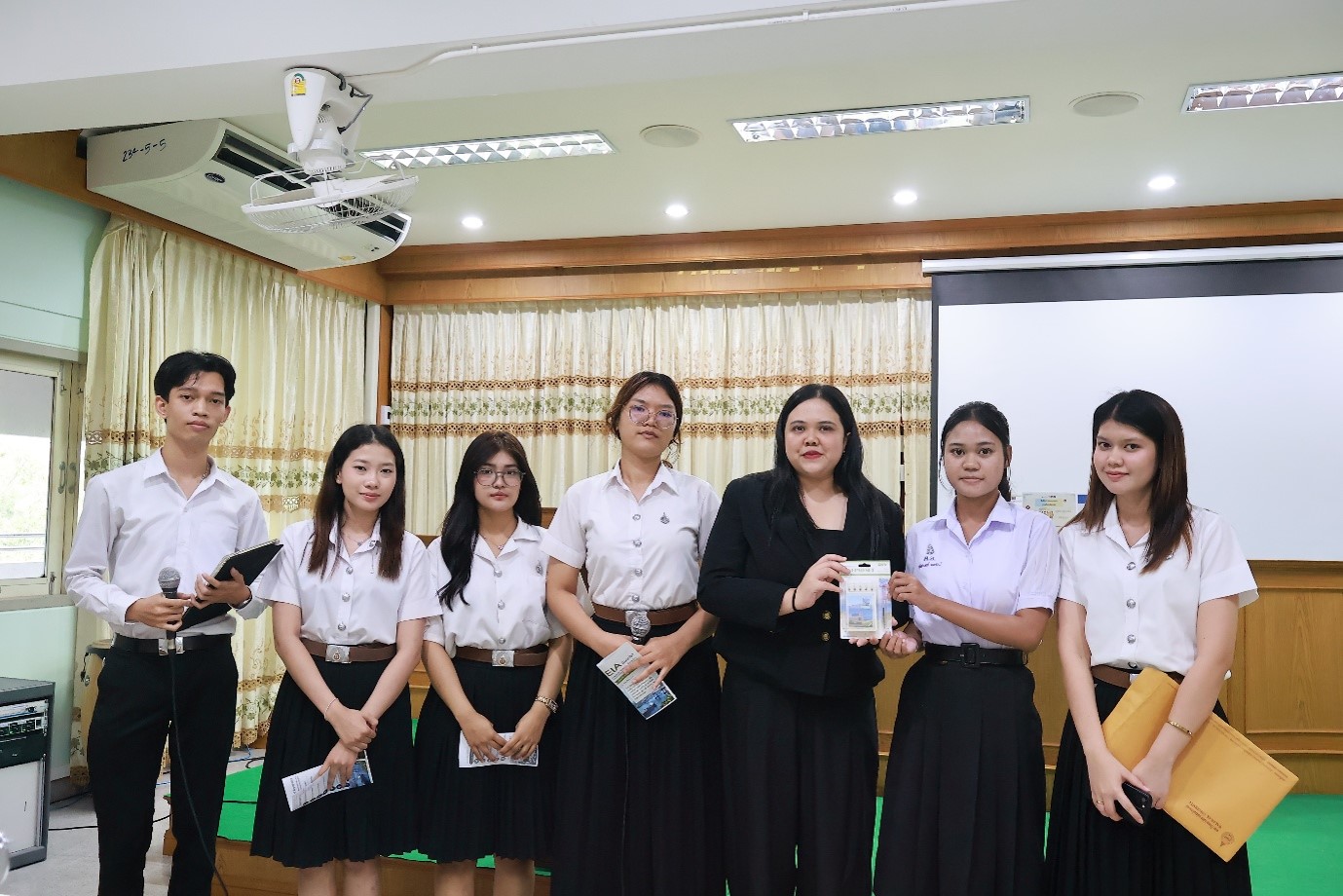
🌿 The Law Program at Walailak University organized an academic outreach activity under the project entitled “Enhancing Awareness of Legal Rights and Responsibilities in the Environmental Impact Assessment (EIA) Process.”
📍 The activity was held at Triam Udom Suksa School of the South, Phra Phrom District, Nakhon Si Thammarat Province, on 24 July 2026.
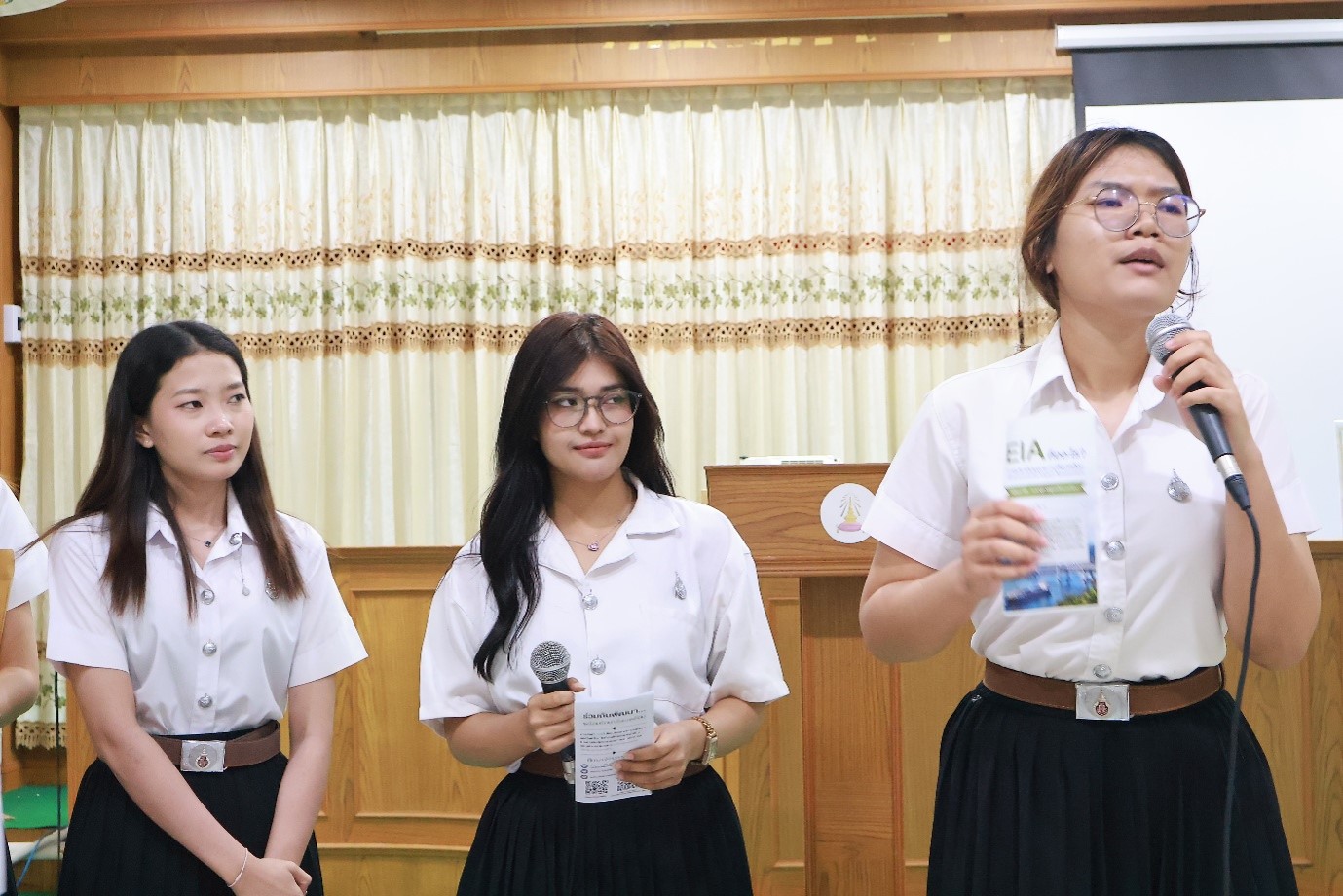
🌿 Walailak University, through the Law Program, School of Law, in collaboration with Triam Udom Suksa School of the South, organized an academic outreach activity in the form of an interactive environmental law classroom. The activity encouraged students to learn about legal principles and the Environmental Impact Assessment process through lectures, quiz activities, and knowledge assessments.
🌿 The project was led by Lecturer Natjira Kraithong, School of Law, Walailak University. It aimed to enhance students’ knowledge of the principles and significance of Environmental Impact Assessment, or EIA, while raising awareness of their legal rights and responsibilities. Particular emphasis was placed on the rights to access information, express opinions, and participate in decision-making processes concerning development projects that may affect the environment, public health, and people’s quality of life.
💡 An Environmental Law Classroom through Interactive Quiz Activities
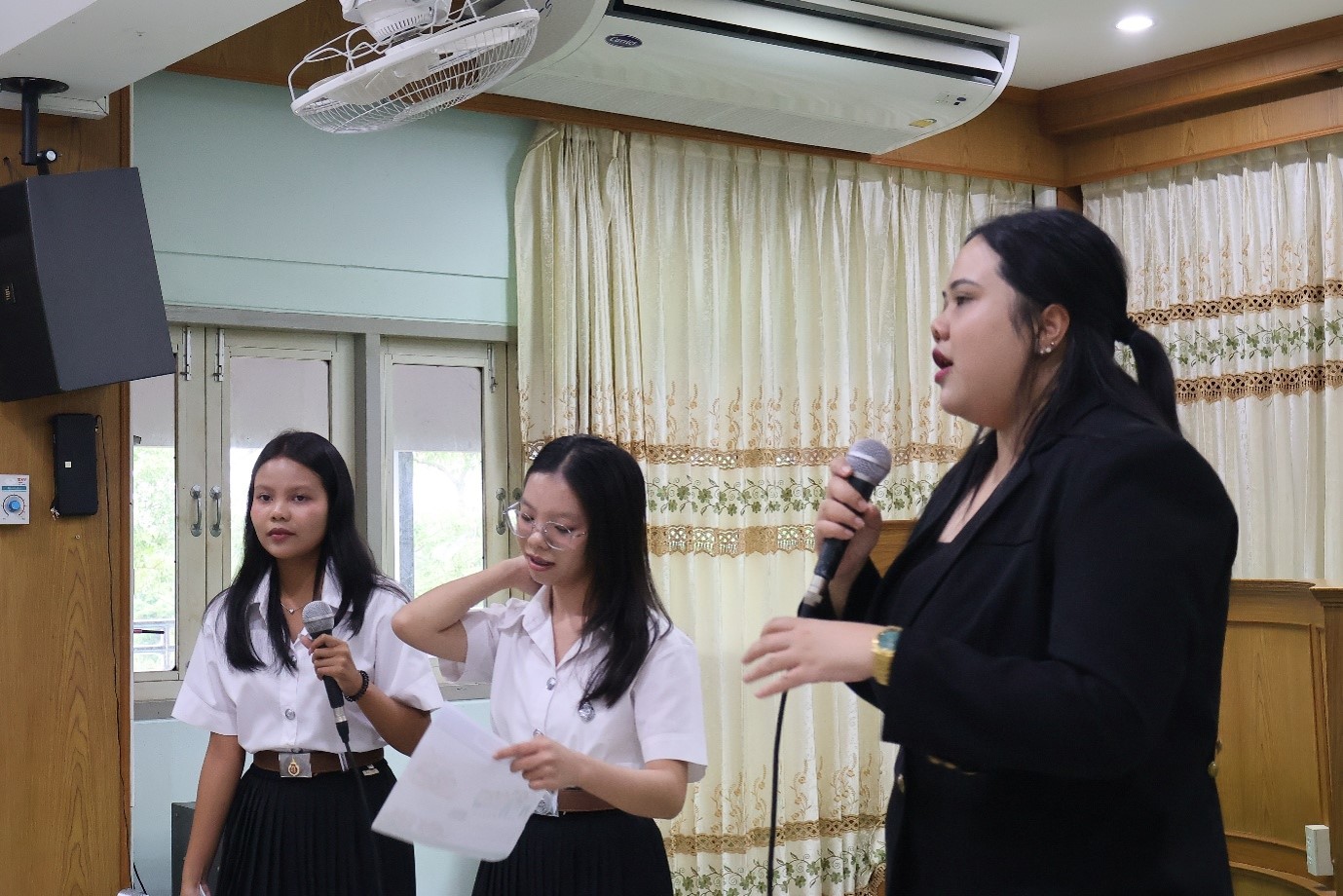
The activity was designed to suit the learning needs of young people. It began with an introduction to the meaning and significance of EIA, the procedures for preparing and reviewing EIA reports, measures for preventing and mitigating environmental impacts, and the role of the public in monitoring, scrutinizing, and participating in development projects within their local areas.
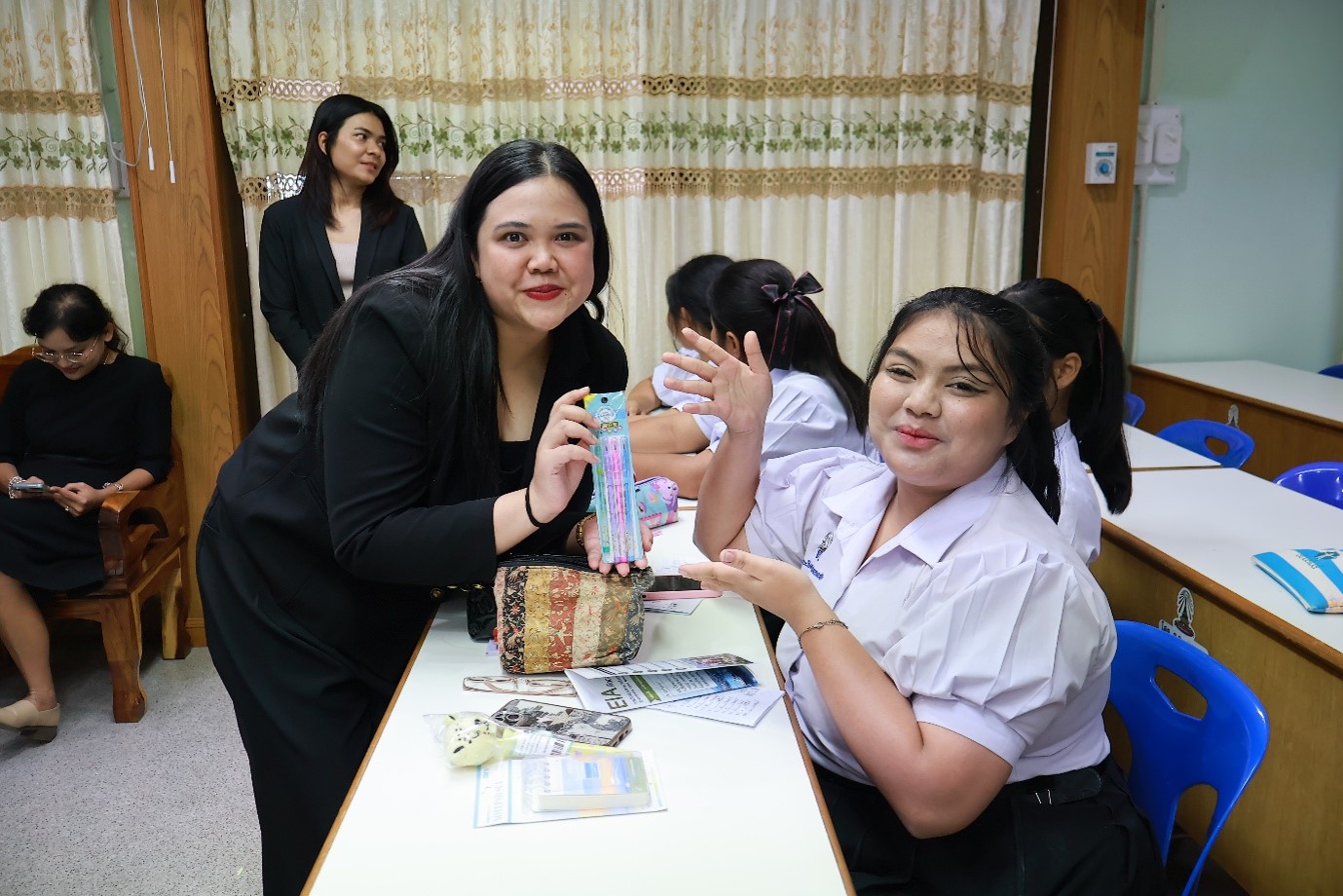
To make the learning process engaging and participatory, students took part in environmental law quiz activities based on questions and situations relevant to their daily lives. They worked together to analyze which types of projects or activities might affect the environment, what information members of the public are entitled to receive, and how they can participate in the EIA process.
Students also completed a knowledge assessment to review and evaluate their understanding after participating in the activity. This provided a tangible means of assessing their knowledge of legal principles, the stages of the EIA process, and public participation rights. Students were also given opportunities to ask questions and exchange views directly with faculty members and law students.
📚 Integrating Teaching and Learning with Academic Outreach
The project was integrated with LAW63-371 Environmental Law. Law students applied the knowledge gained from the course to develop educational content, learning materials, quiz questions, and knowledge assessments relating to the EIA process.
Their participation enabled them to strengthen their ability to analyze environmental law issues, communicate complex legal concepts to young people in accessible language, and organize creative classroom activities. The experience also developed their communication and teamwork skills while fostering a sense of social responsibility among law students.
🎯 Integration with the Sustainable Development Goals (SDGs)
This academic outreach activity supported SDG 4.3.4: Education Outreach Activities Beyond Campus by bringing the university’s knowledge of environmental law into a school setting through a learning process that encouraged students to participate actively.
The combination of lectures, quiz activities, and knowledge assessments ensured that students were not merely passive listeners. Instead, they were encouraged to think critically, analyze situations, answer questions, and evaluate their own understanding. This approach made the learning experience clearer, more engaging, and more memorable, allowing students to apply the knowledge more effectively.
🌱 Building Knowledge in the Classroom and Promoting Environmental Awareness
The activity helped students understand the EIA process and recognize the connections among law, development projects, the environment, and people’s quality of life. It also encouraged them to understand that environmental protection is not solely the responsibility of government agencies. Every member of the public has both the right and the responsibility to monitor, scrutinize, and participate constructively in matters affecting the environment.
The project therefore extended beyond the transfer of legal knowledge. It also strengthened critical-thinking skills, fostered social responsibility, and prepared students to become citizens who understand their rights and responsibilities and are ready to participate in protecting natural resources and promoting balanced, transparent, and sustainable development.