- 0-7547-7101-5
- law.walailak@gmail.com
- Mon - Fri: 8:30 - 16:30

🌳 Voices from the Forest to Society | Collaborative Learning for the Future of the Maniq People
A platform for collaborative learning that connects law, human rights, culture, and community voices toward the protection of rights and the well-being of the Maniq people.
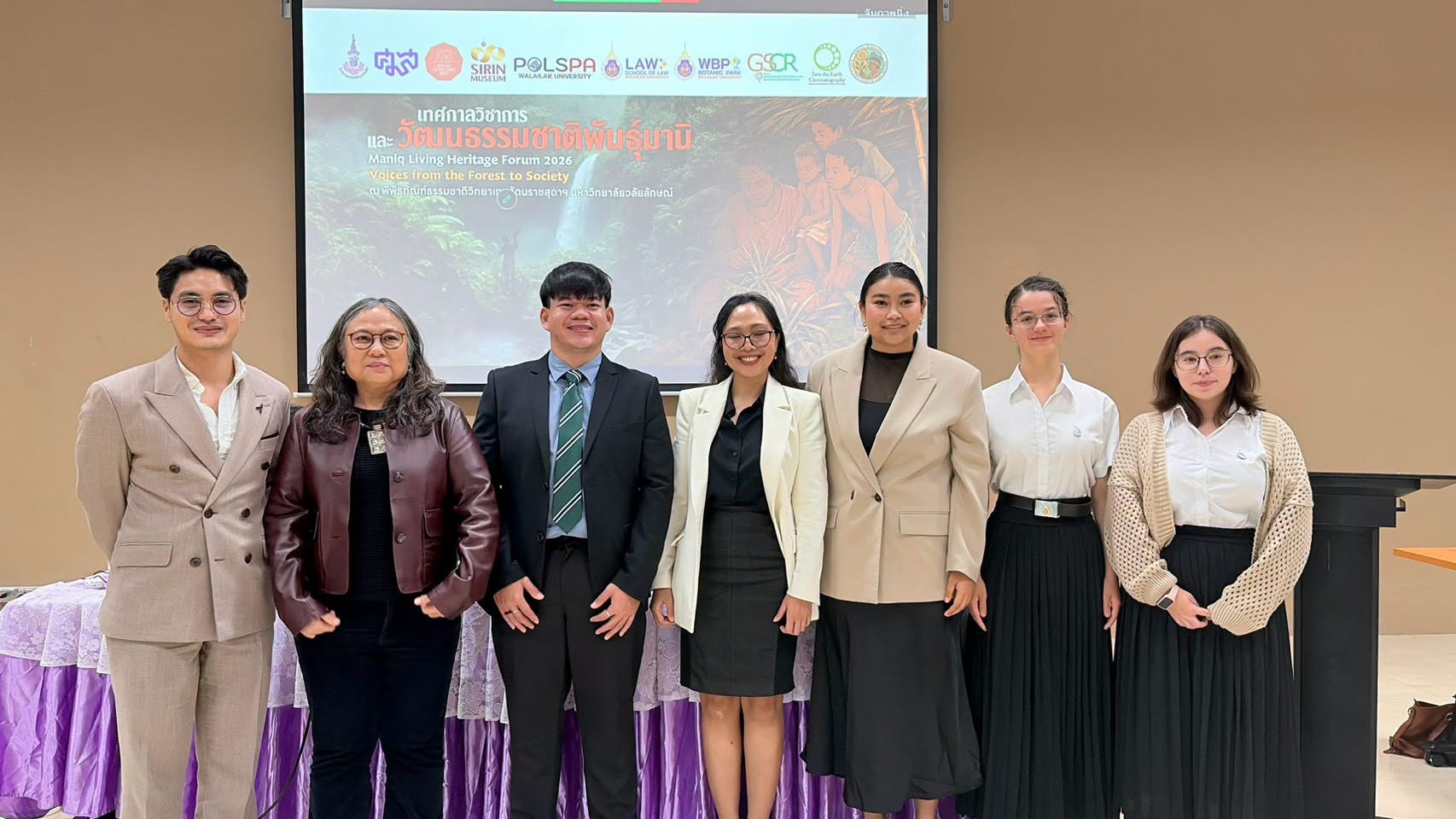
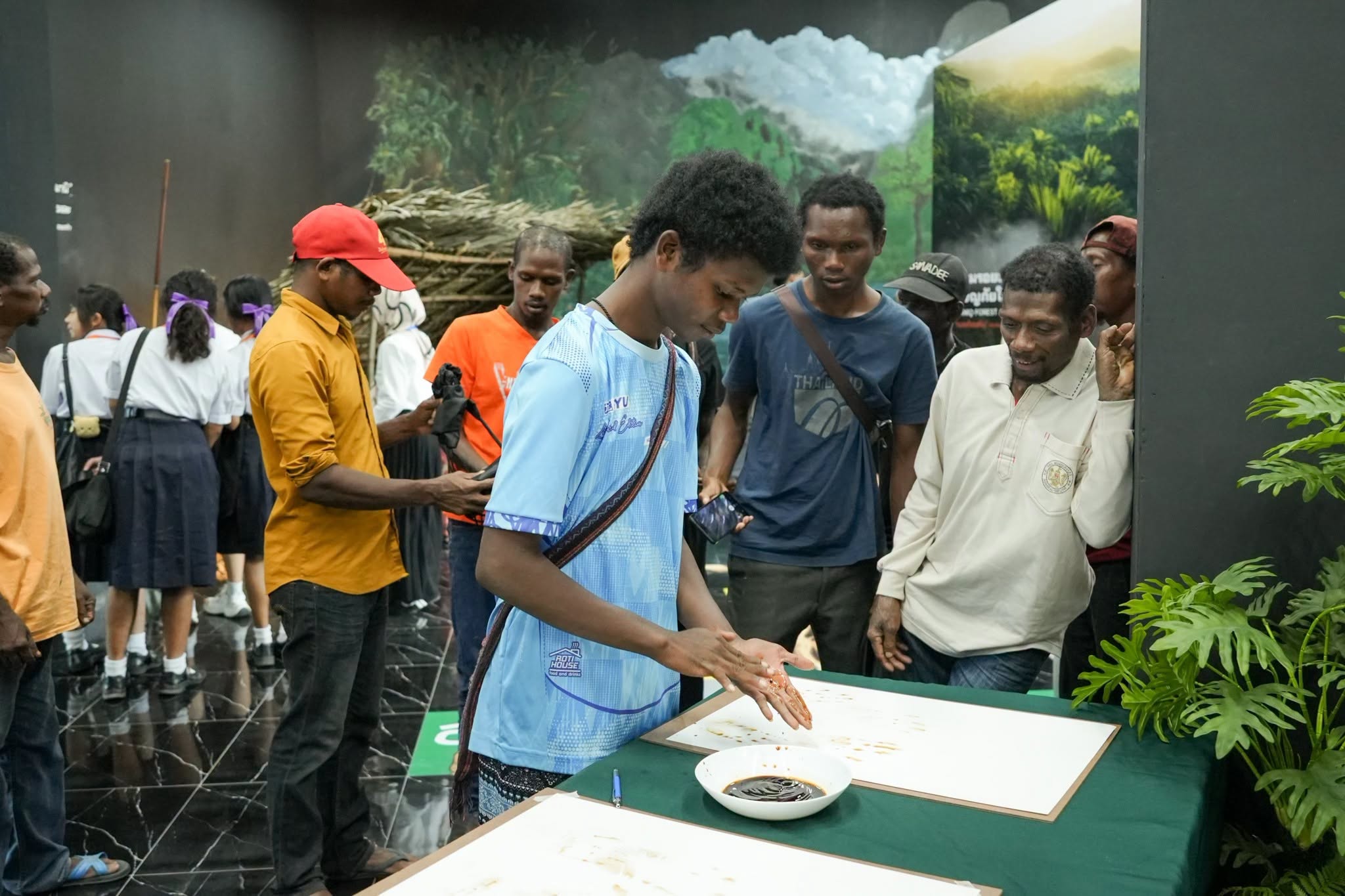
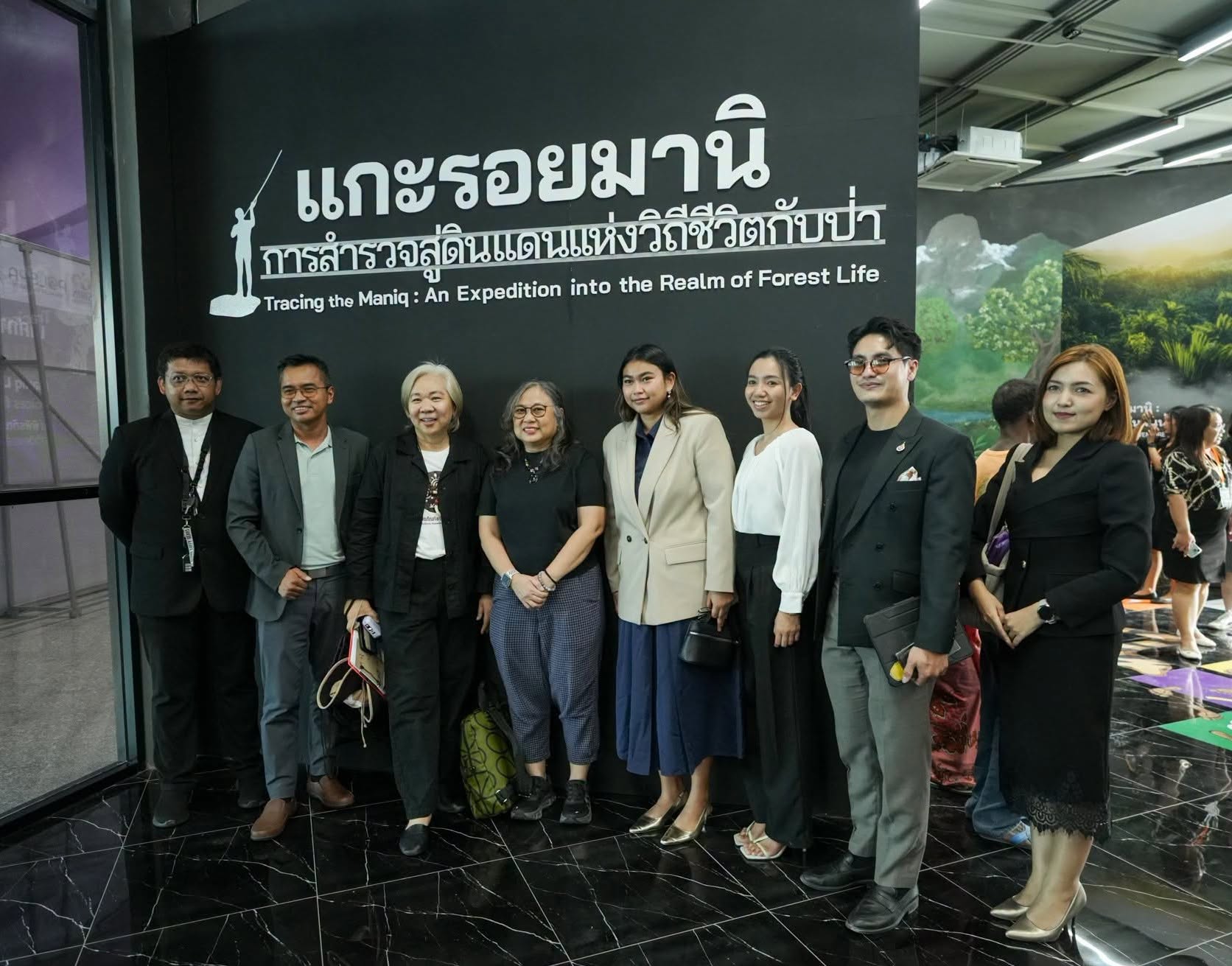
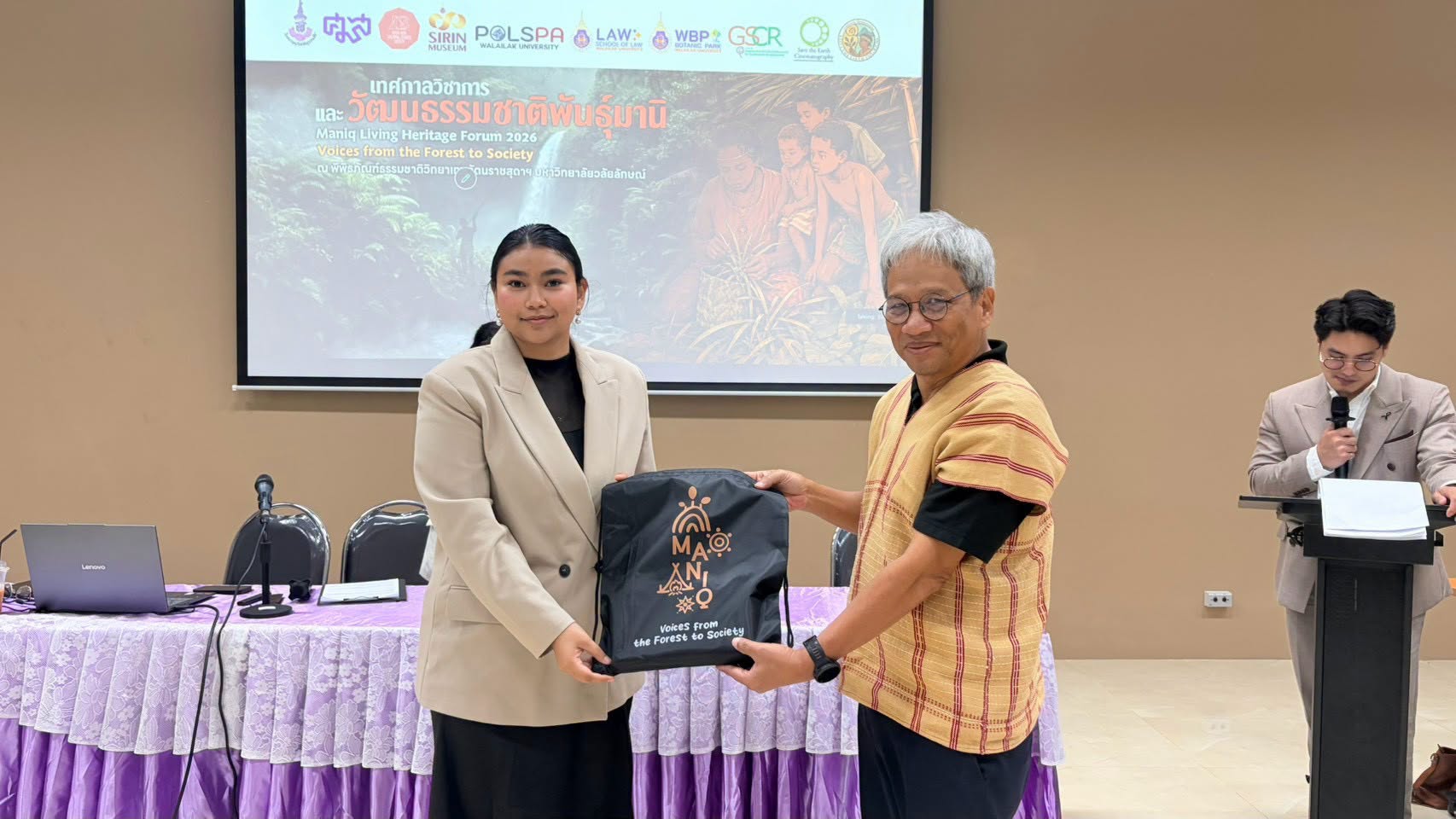
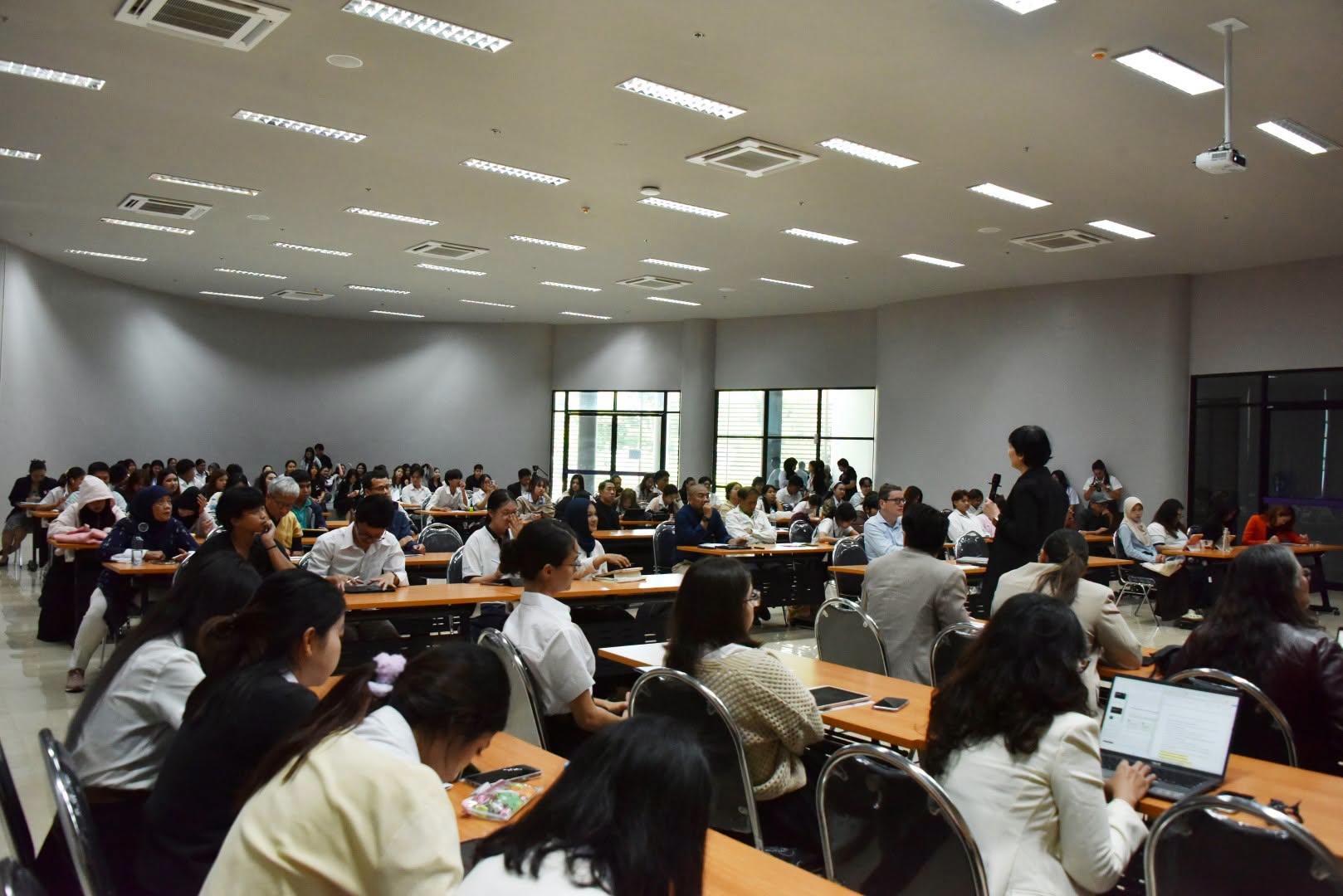
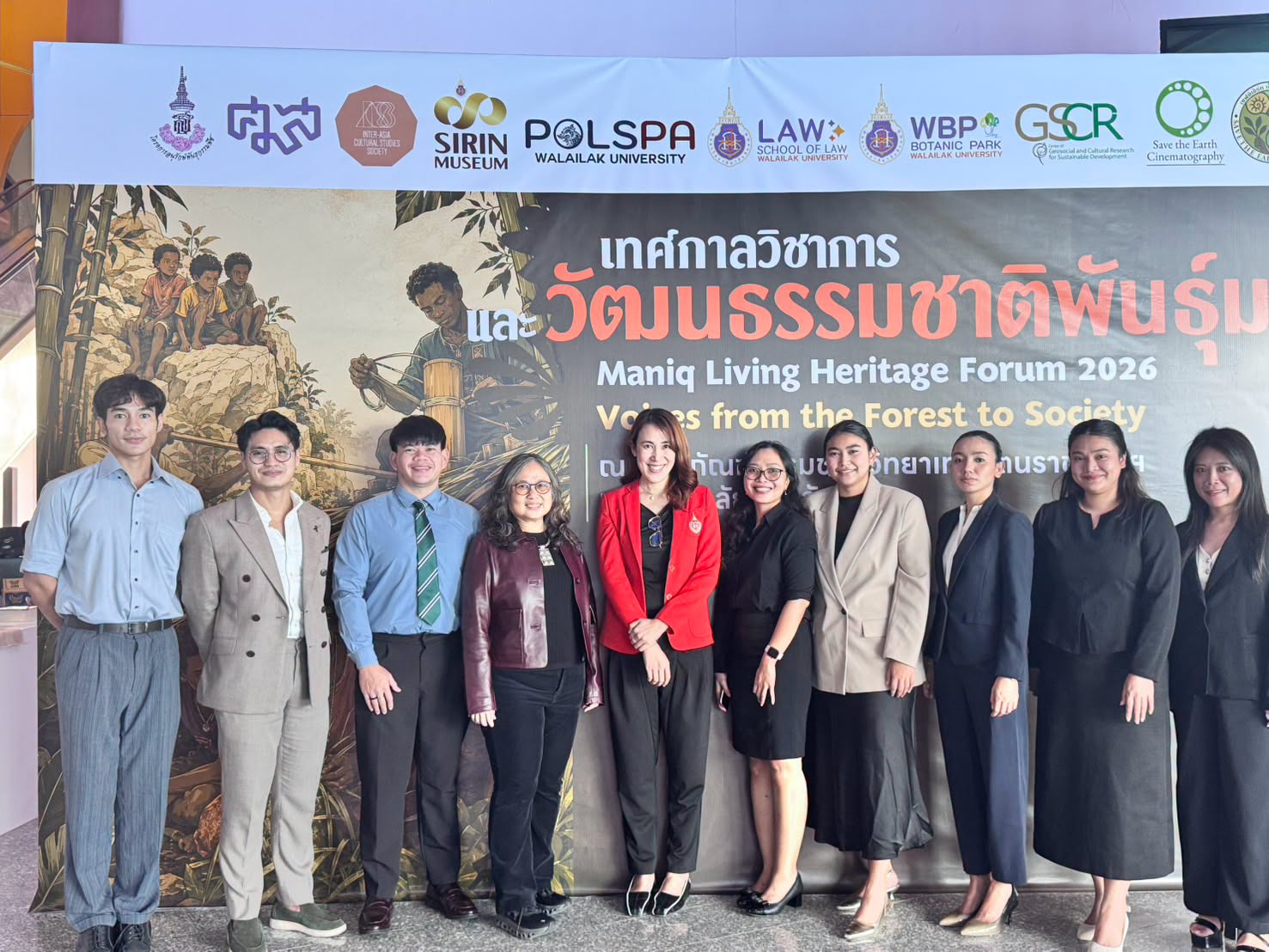
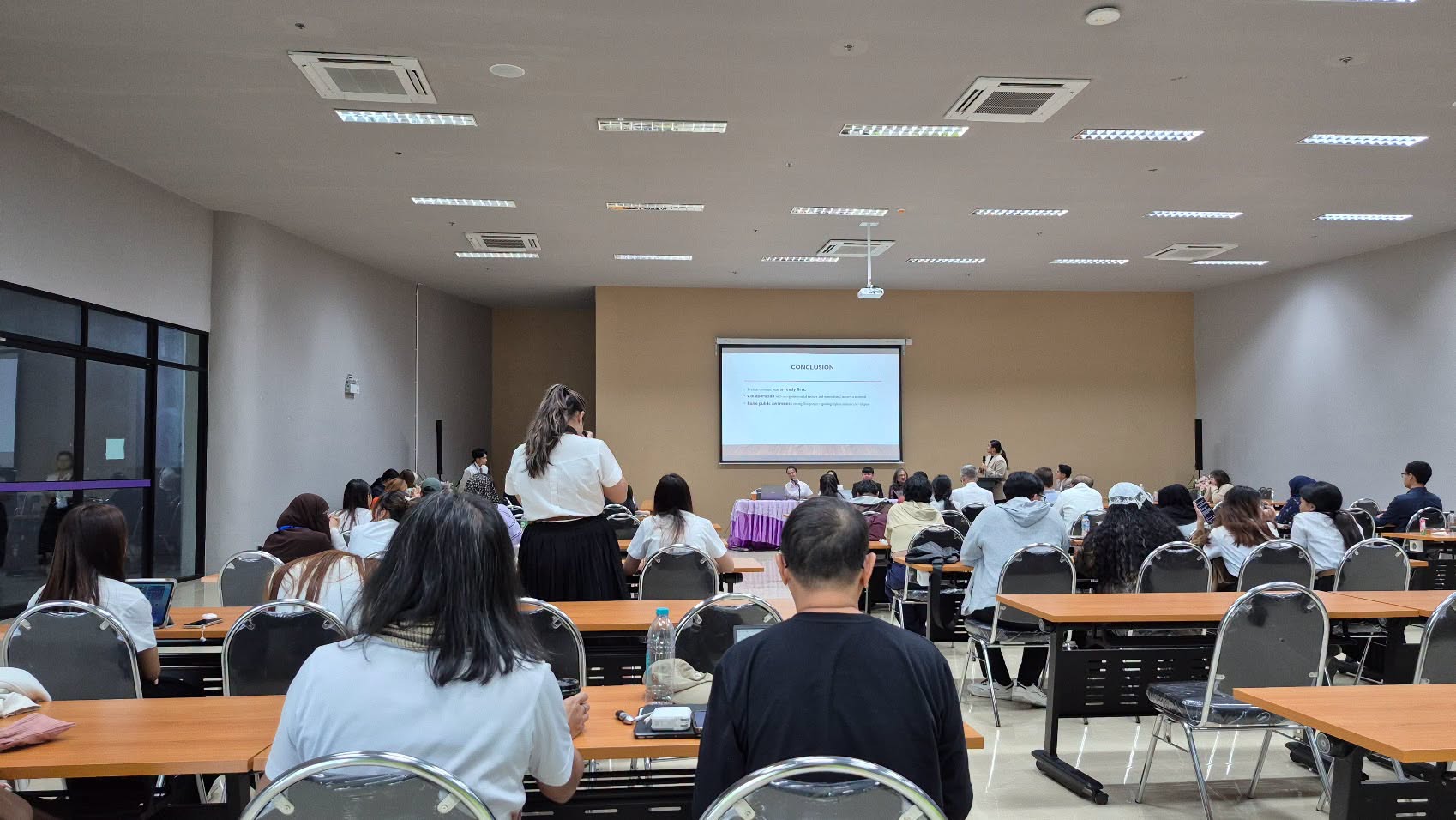
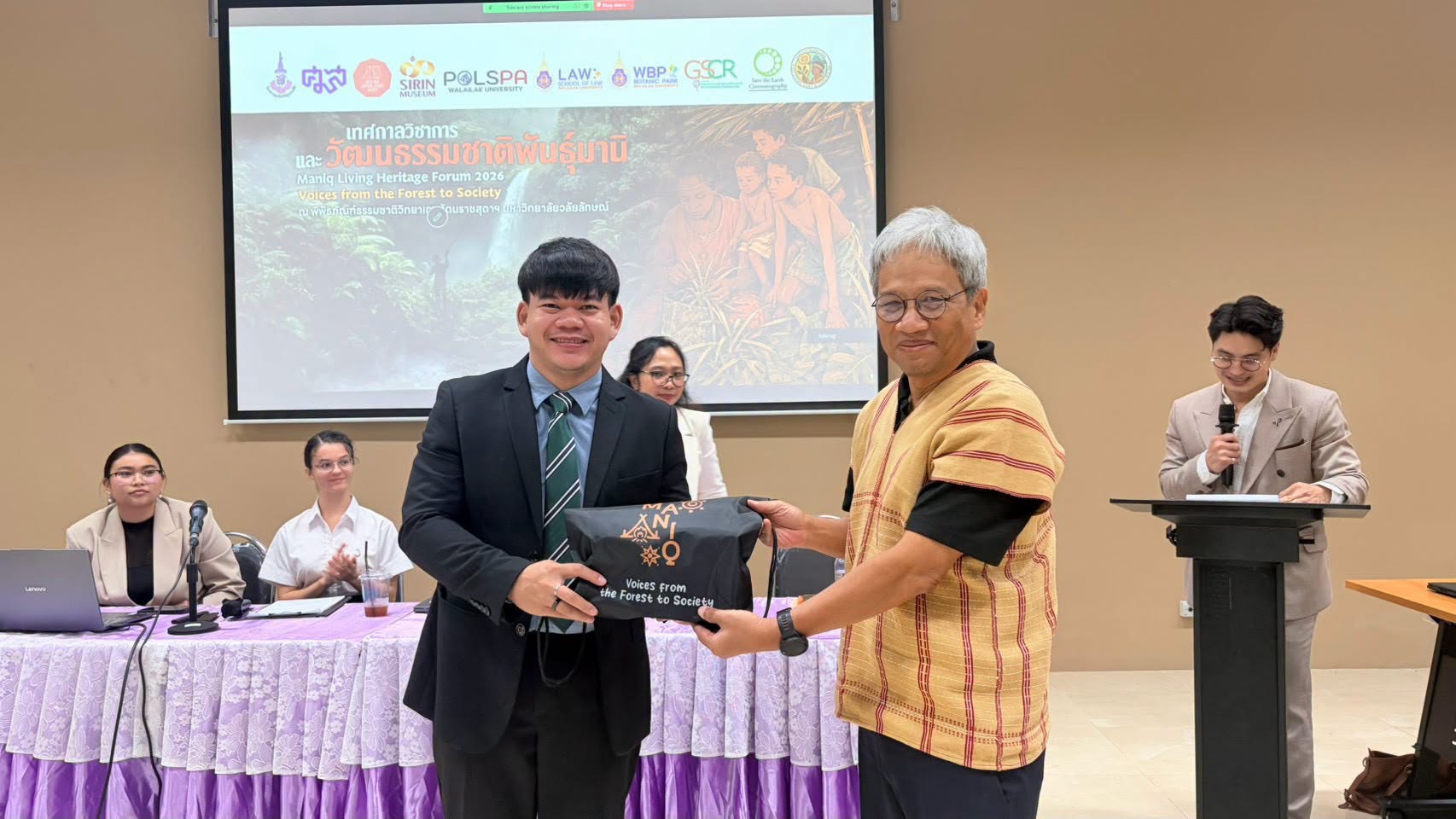
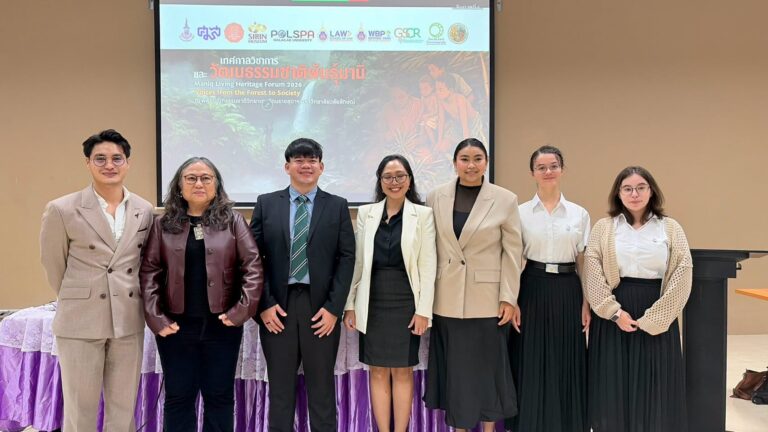
The Maniq Living Heritage Forum 2026, under the theme “Voices from the Forest to Society: Collaborative Learning for the Future of the Maniq People,” was held on 25–26 August 2026 at the Theprattrat Nature Research and Ethnic Museum Building, Walailak University. The event provided an opportunity for participants to engage in academic and cultural learning while exploring the Maniq Ethnographic Museum.
⚖️ The School of Law, Walailak University, actively contributed to the academic forum by bringing expertise in law, human rights, and cultural diversity into dialogue with scholars, experts, and partners from Thailand and abroad.
📌 Tuesday, 25 August 2026
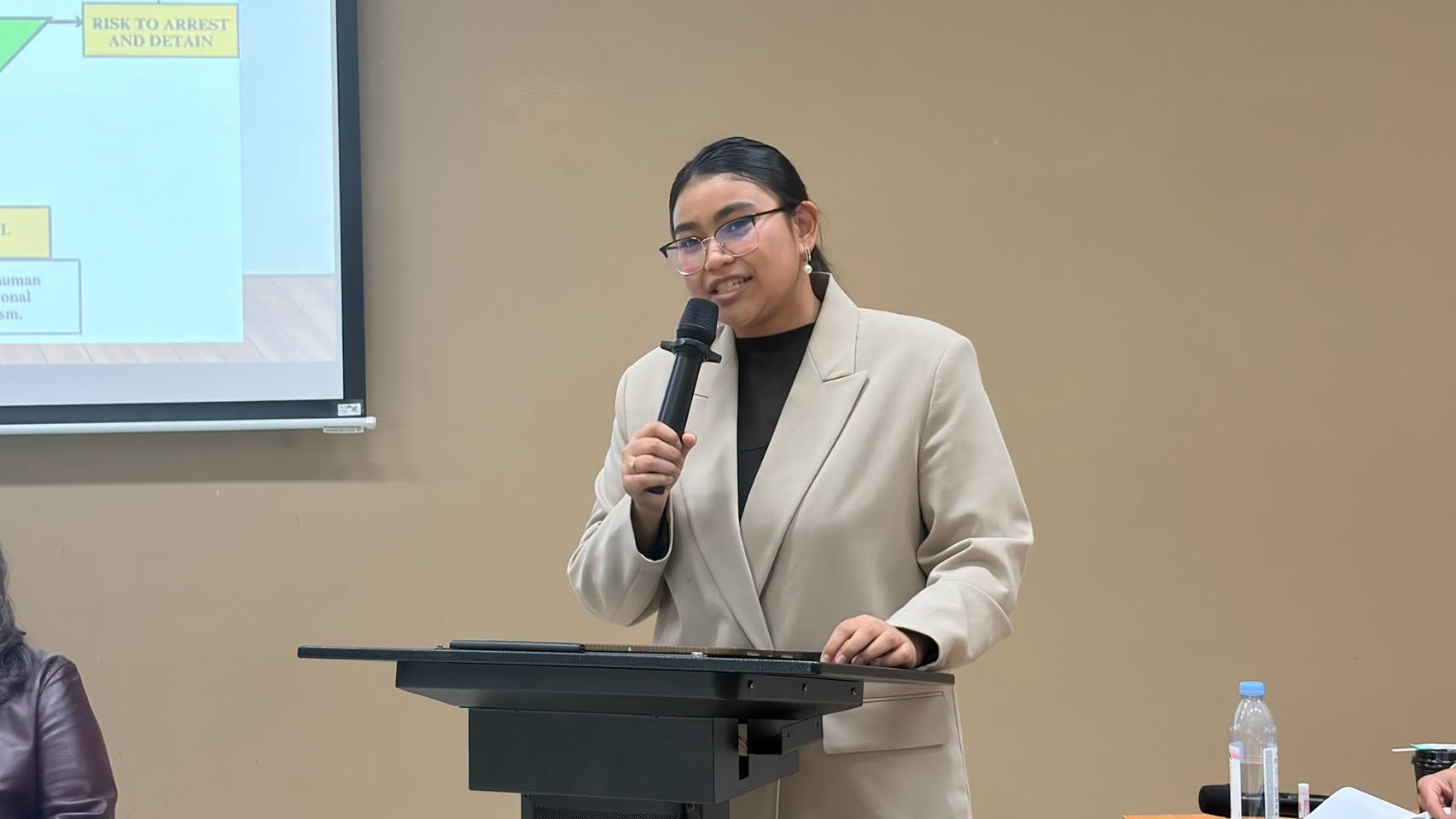
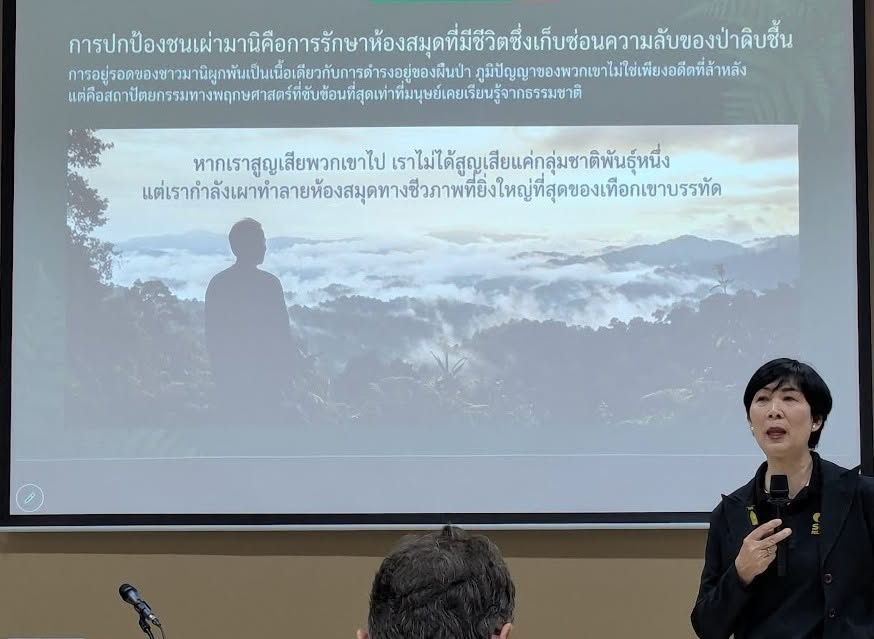
🎙️ Special Lecture: “Human Rights and Cultural Diversity”
Delivered by Lecturer Sawettachat Jubsilp,
School of Law, Walailak University,
a specialist in International Human Rights Law.
📌 Wednesday, 26 August 2026
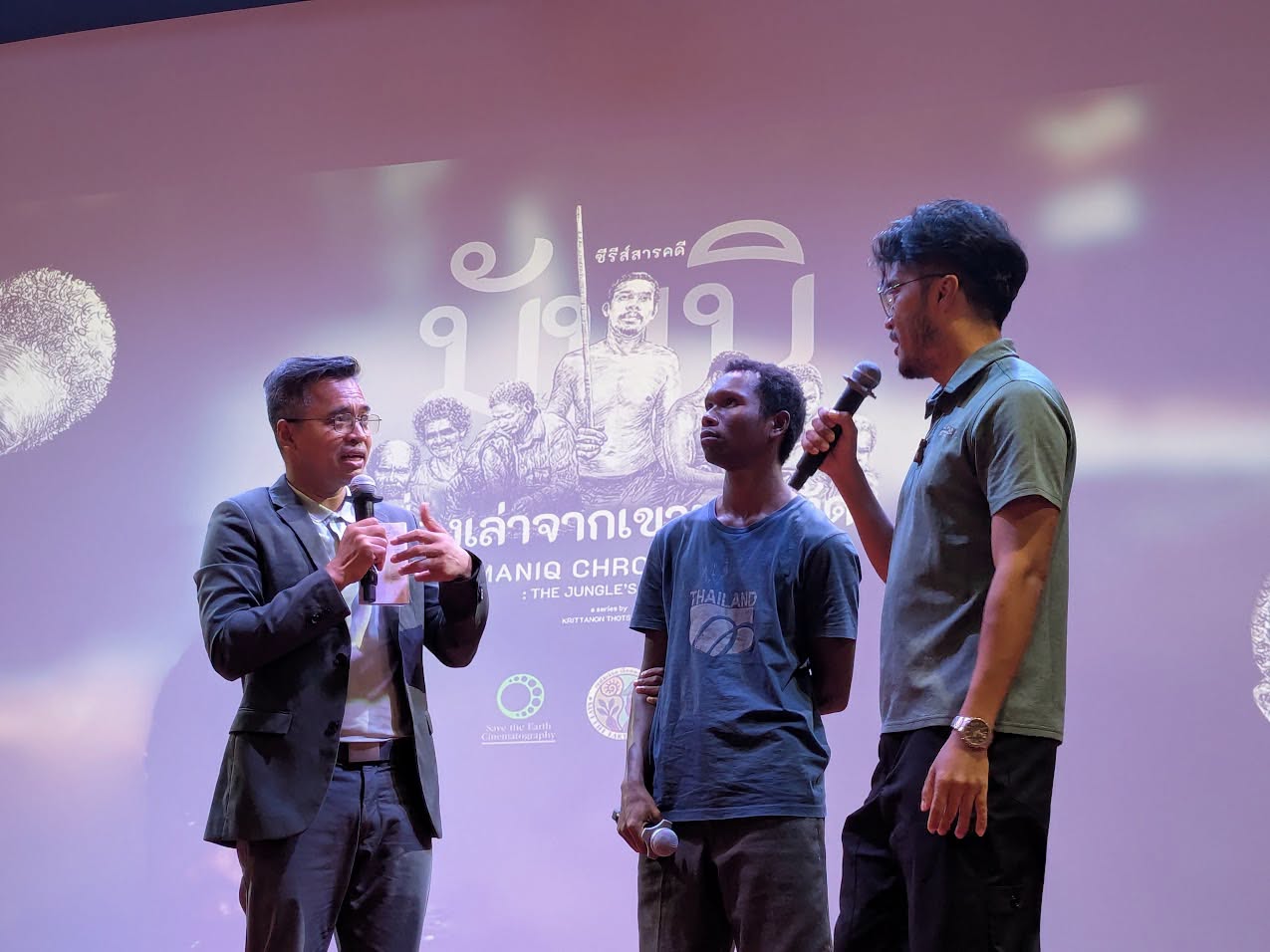
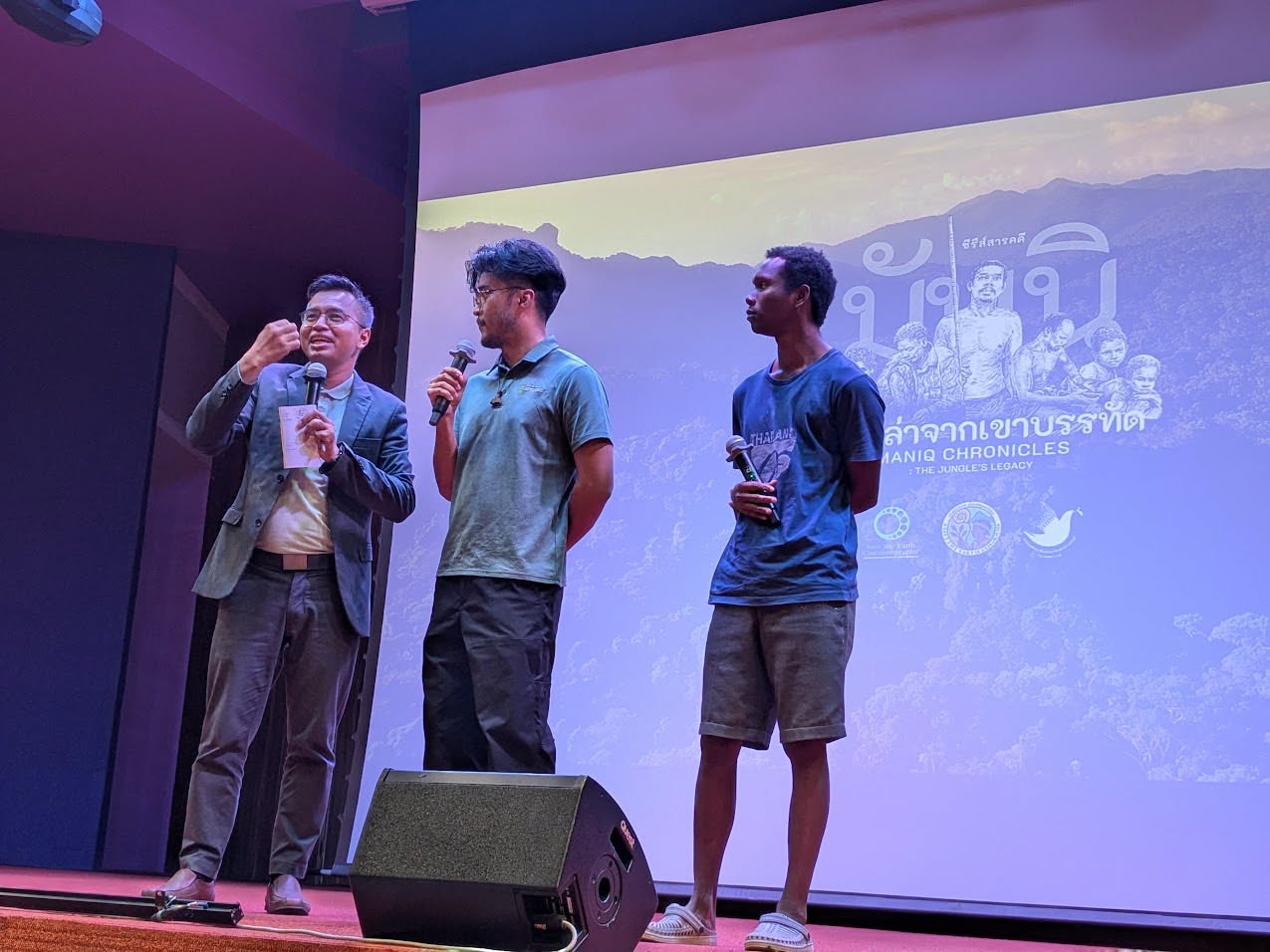
🌏 An Academic Symposium and Cultural Festival
“Voices from the Forest to Society: Collaborative Learning for the Future of the Maniq People”
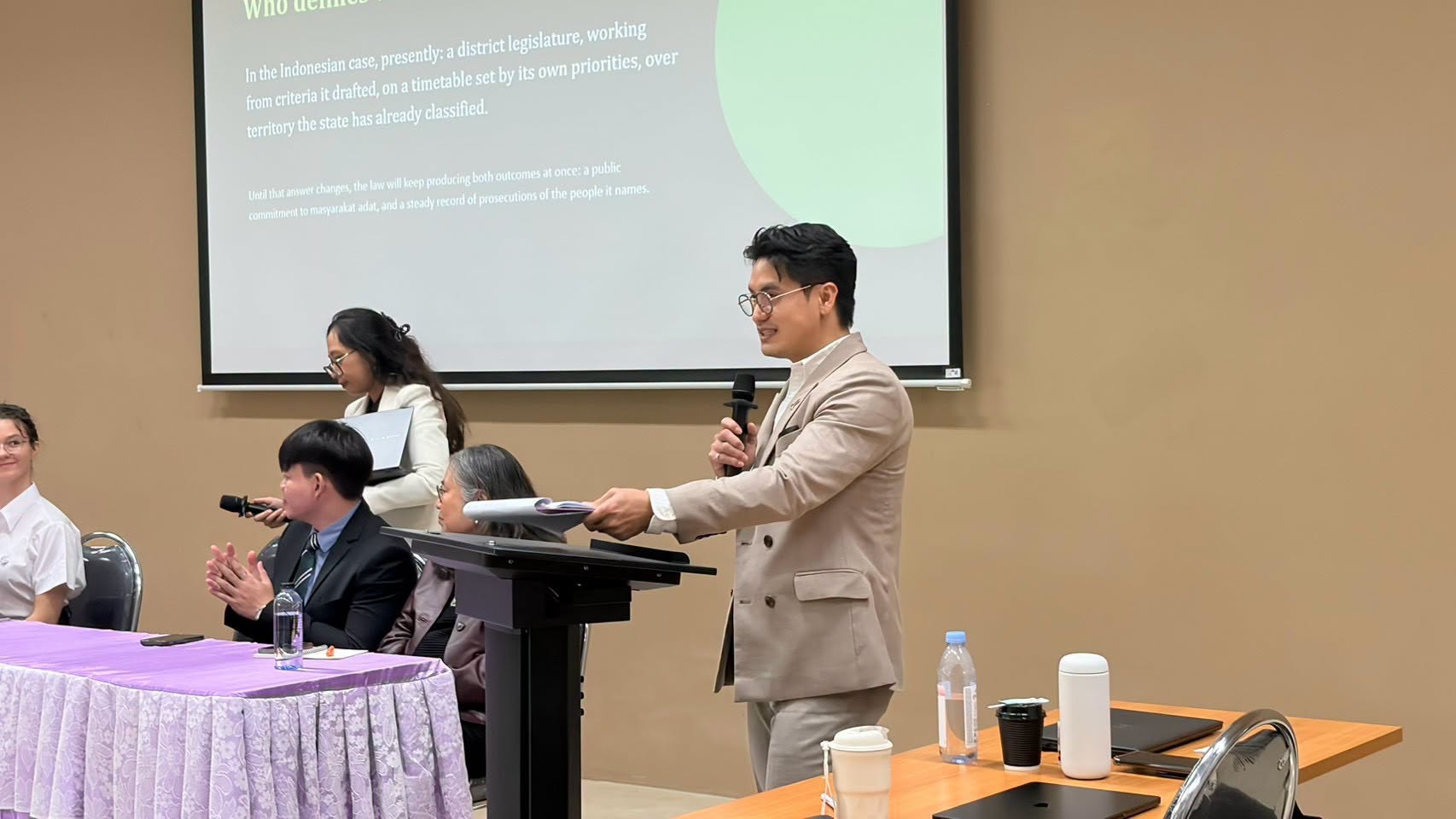
⚖️ State Power, Law, and the Refusal of Indigenous Peoples
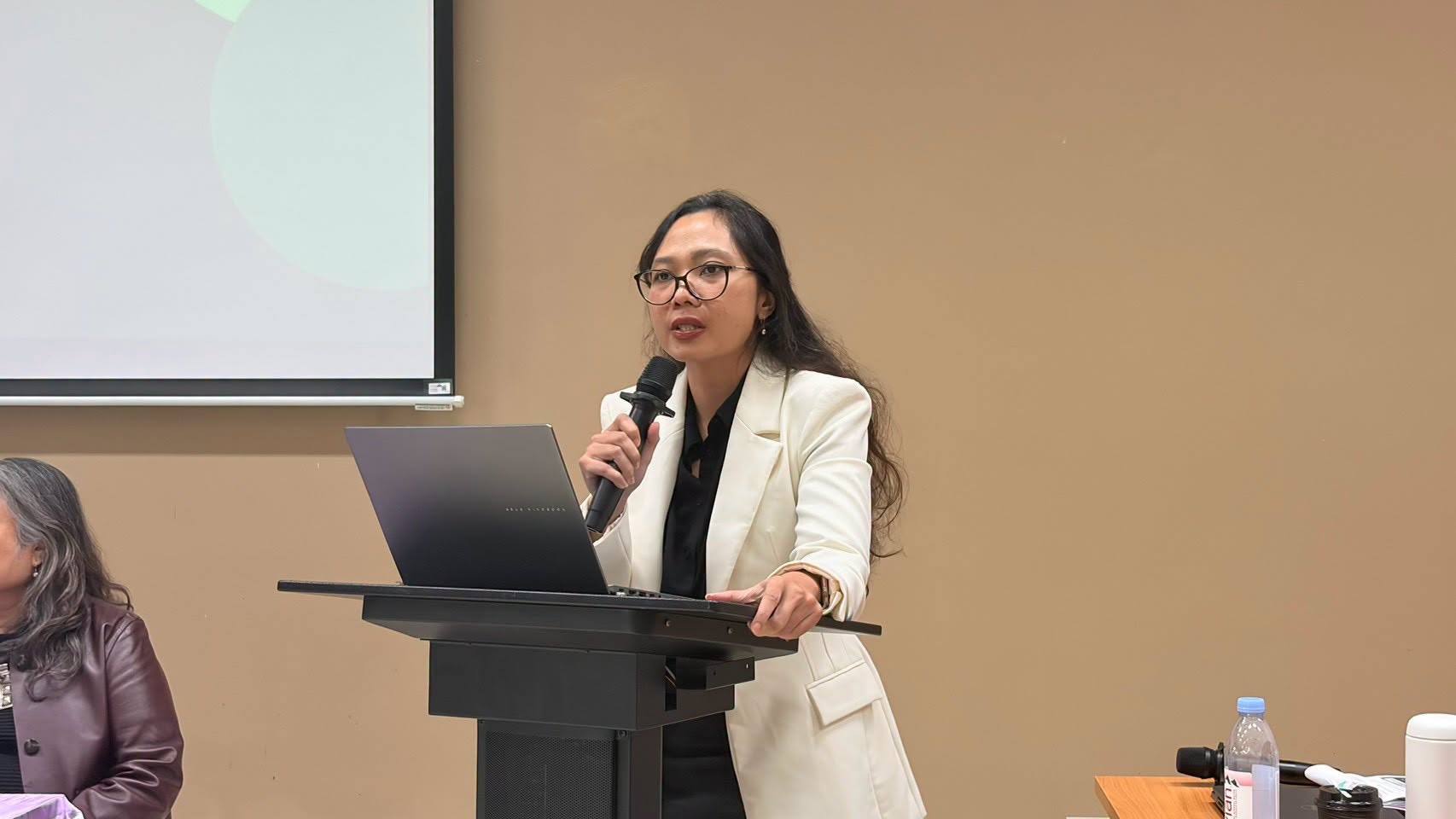
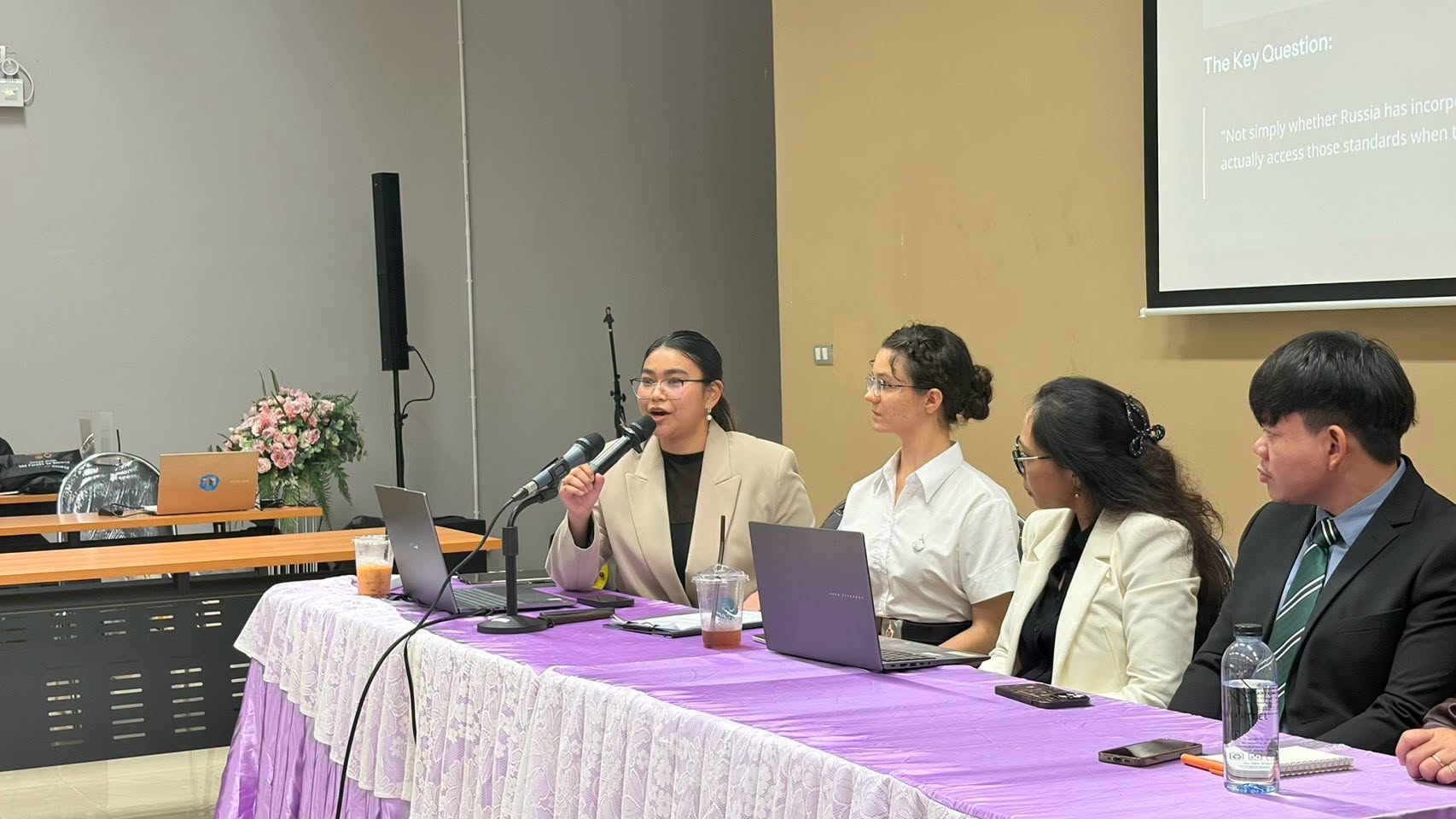
One of the key highlights of the forum was a space for dialogue among human rights experts and practitioners from diverse organizations, including:
🔹 Mr. Setthawut Kongten
Head of Governance, Compliance & Risk, World Vision Foundation of Thailand
🔹 Khun Naiyana Thanawattho
Executive Director, Asylum Access Thailand Foundation
🔹 Alfiana Qisthi
Human Rights Advocate from Indonesia
Alongside representatives from the School of Law, Walailak University:
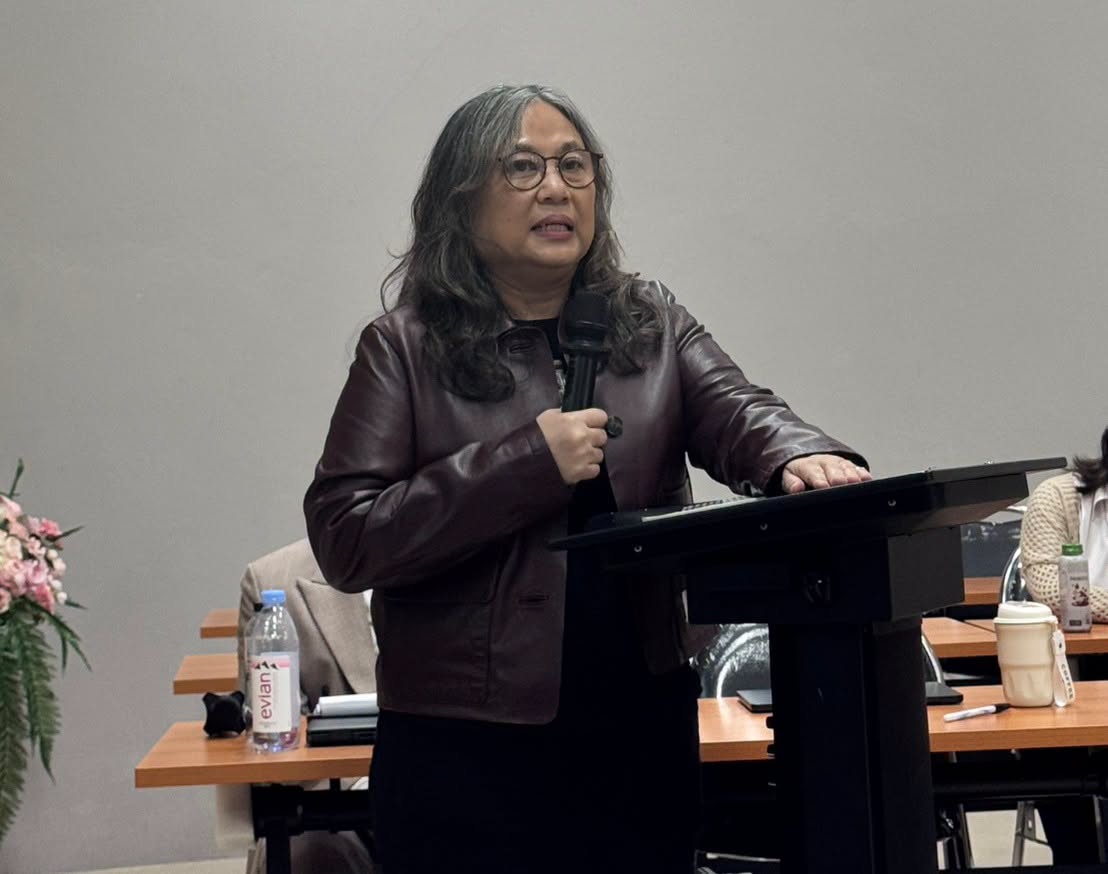
🔹 Ms. Sawettachat Jubsilp
School of Law, Walailak University, Thailand
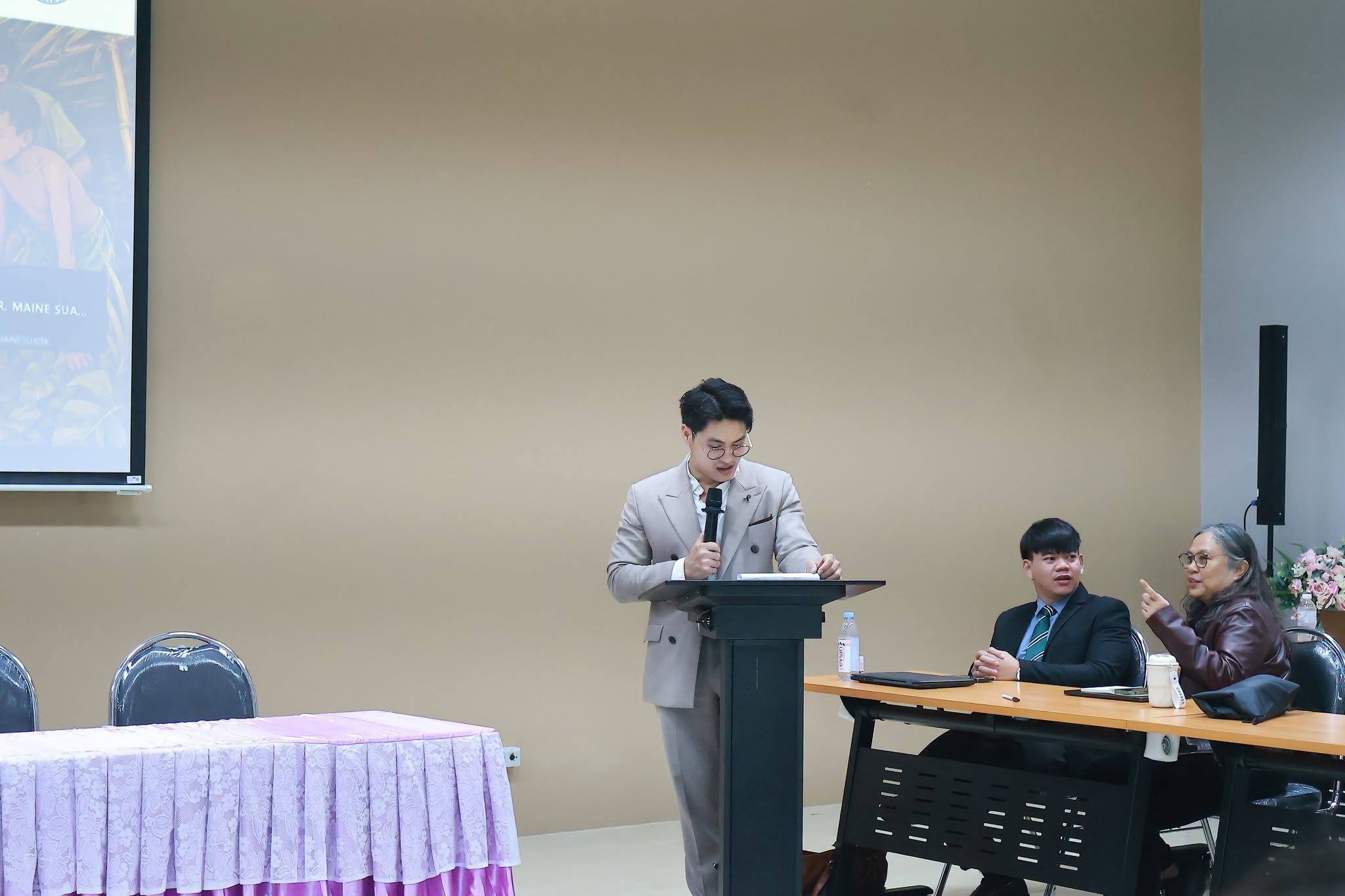
🎤 Moderator: Mr. Pete Pimarnprom
School of Law, Walailak University
The discussion highlighted the importance of examining the relationship between state power, law, Indigenous peoples’ rights, and the right to determine their own ways of life and future, bringing together both academic and practical perspectives.
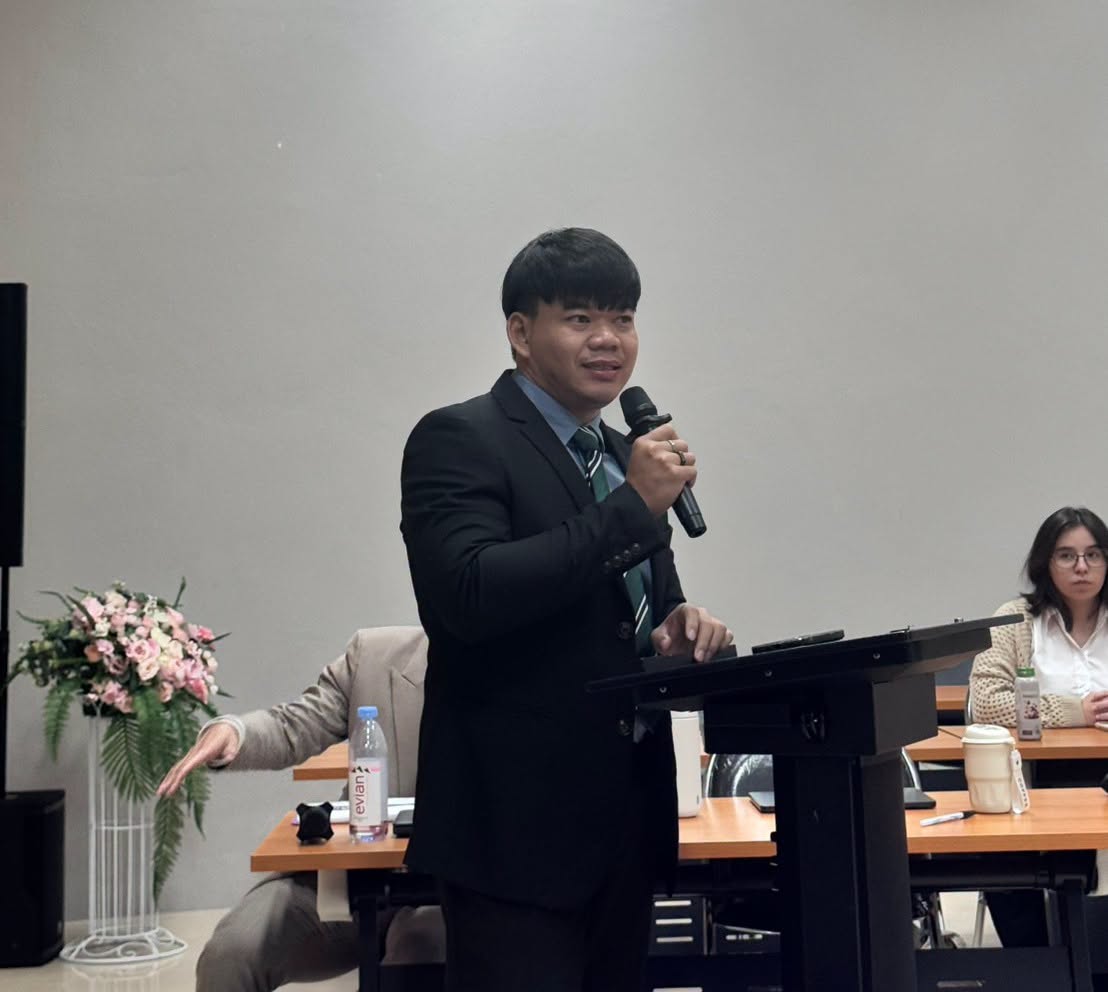
🌳 Indigenous Knowledge, Forests, and Environmental Justice
Another key topic connected Indigenous and local knowledge with issues of environmental protection and environmental justice.
🎤 Moderator: Mr. Kanokphol Nikornpest
School of Law, Walailak University
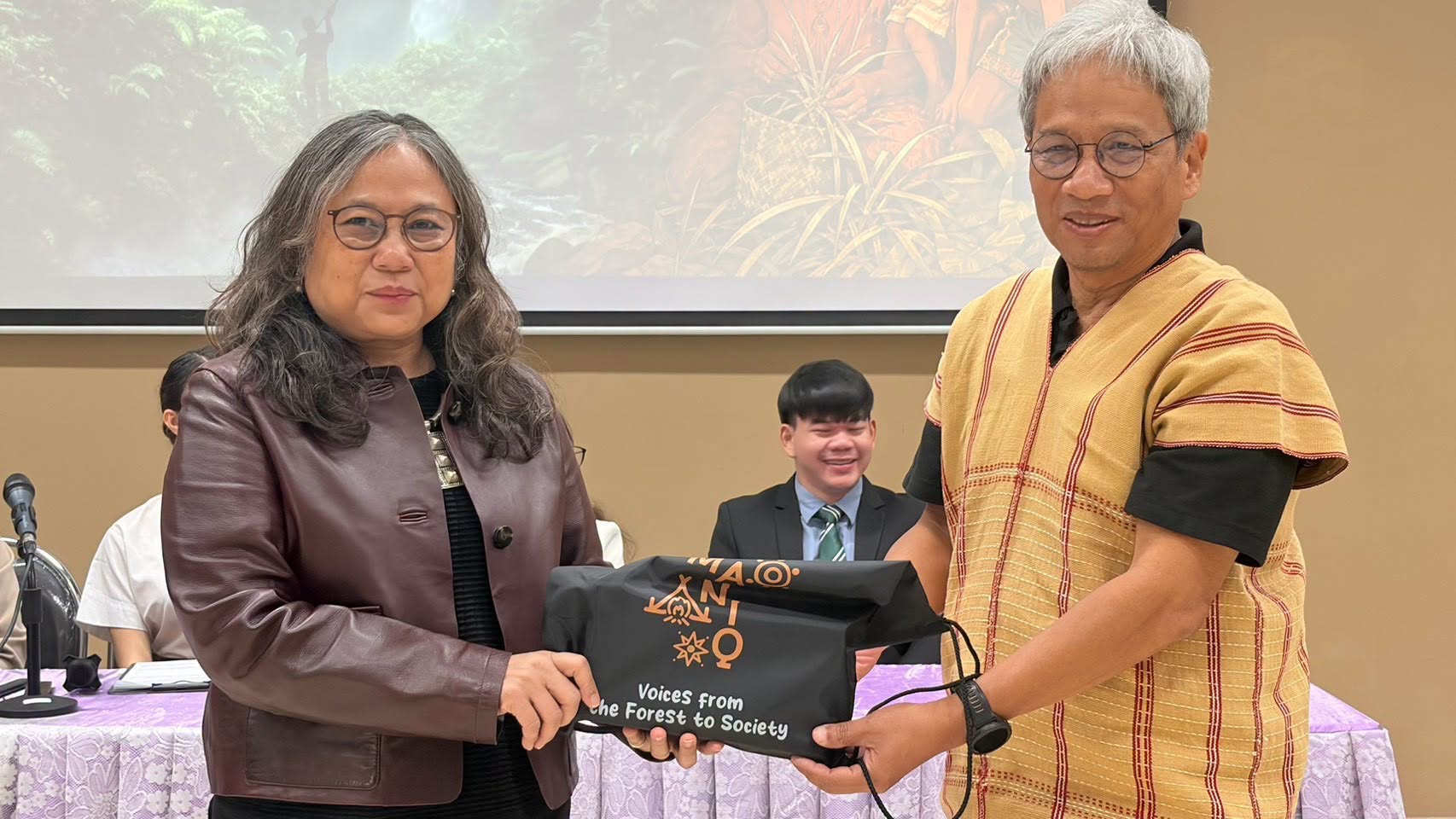
Faculty members and legal experts from the School of Law, Walailak University also contributed their knowledge and perspectives on rights, cultural diversity, and the protection of ethnic communities.
🌏 Connecting Voices from Thailand to the International Stage
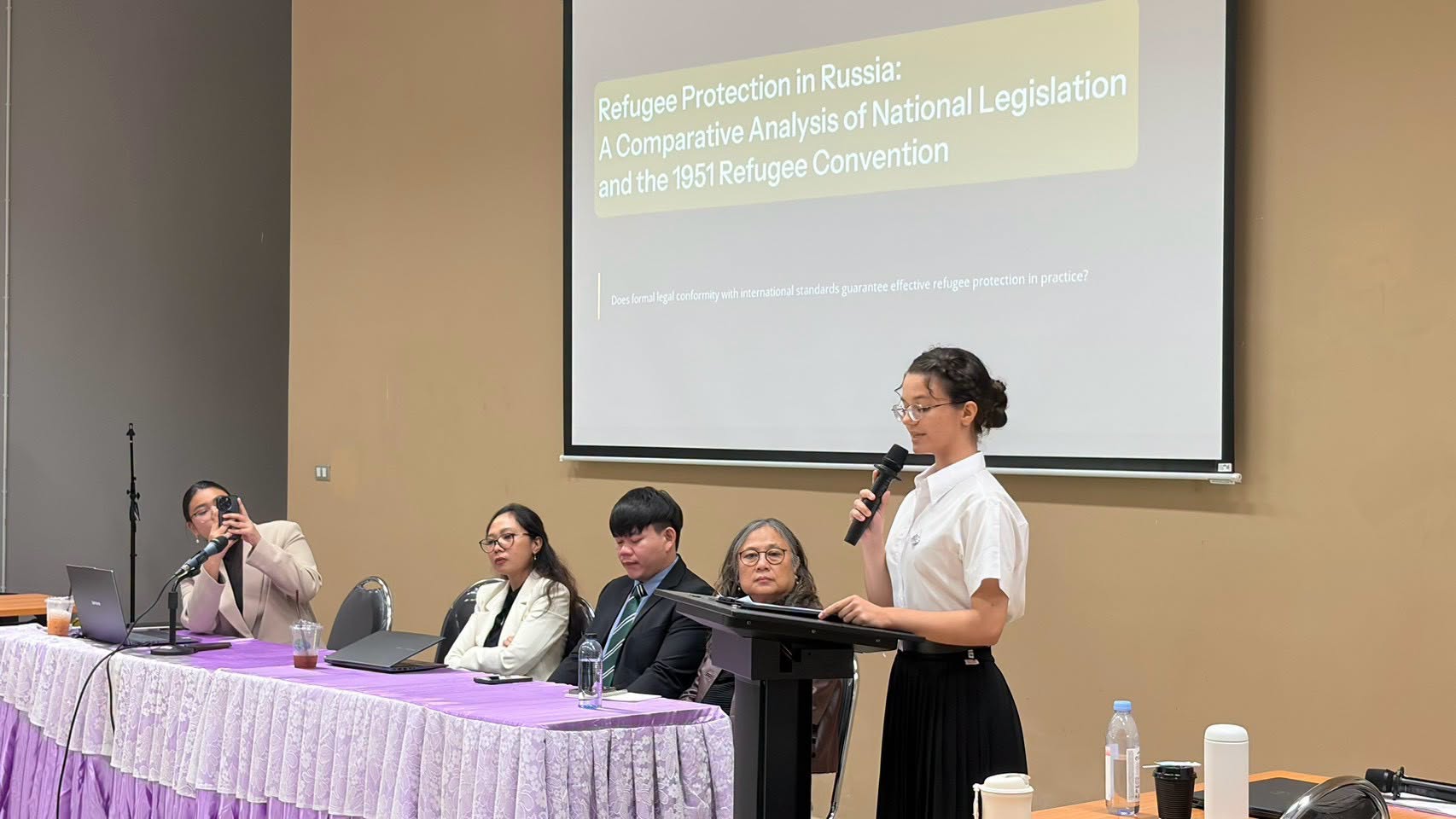
The forum also attracted international exchange students, including students from St. Petersburg, Russia:
🇷🇺 Ms. Elizaveta Stikhina
🇷🇺 Ms. Elizaveta Donskaia
The participation of exchange students from Russia, together with human rights practitioners from Indonesia, reflected the forum’s commitment to cross-border learning and international dialogue, connecting issues concerning the Maniq people with broader global conversations.
💬 The forum concluded with a Roundtable Dialogue
“From the Forest to Society: Multi-Stakeholder Collaboration for the Protection and Well-being of the Maniq People”
The roundtable provided an opportunity for participants from diverse sectors to exchange perspectives and explore collaborative approaches to protecting rights and improving the well-being of the Maniq people, based on the principles of participation and respect for human dignity.
🤝 Maniq Living Heritage Forum 2026 was therefore more than an academic and cultural festival. It served as a shared space for listening, connecting voices from the forest with the wider conversations of society.
From legal and human rights knowledge to local wisdom, from human rights practitioners in Thailand to international networks, and from academics to the younger generation, every voice contributed to building understanding and exploring pathways toward a sustainable future—one that respects the rights, dignity, identity, and way of life of the Maniq people. 🌿